
THE EMPIRE CAFÉ
A welcome discussion
The Empire Café was a project commissioned as part of the 2014 Commonwealth Games Cultural Programme to explore Scotland’s relationship with the North Atlantic slave trade through coffee, sugar, tea, cotton, music, visual art, academic lectures, poetry, debate, workshops, historical walks, film and literature.
Film Credit
The Main Event
The Empire Café was a project commissioned as part of the 2014 Commonwealth Games Cultural Programme to explore Scotland’s relationship with the North Atlantic slave trade through coffee, sugar, tea, cotton, music, visual art, academic lectures, poetry, debate, workshops, historical walks, film and literature.
The café was based in the Briggait (home of the Merchant’s Steeple) in Glasgow’s Merchant City and ran from 24th July - 1st August 2014, during the Commonwealth Games. The event, and associated working ‘pop up’ café, were based in the main hall and formerly redundant shop unit within the historic Briggait’s cultural spaces.
The key objectives of the event were:
To highlight and discuss the origins of the Commonwealth and Scotland’s involvement in the North Atlantic Slave Trade;
To create a warm and welcoming environment to discuss challenging themes;
To create a 21st Century ‘tearoom’ with associated food programme;
To produce exceptional ‘free-at source’ events and associated poetry anthology, and
To enrich an ongoing spirit of international cooperation and sharing.
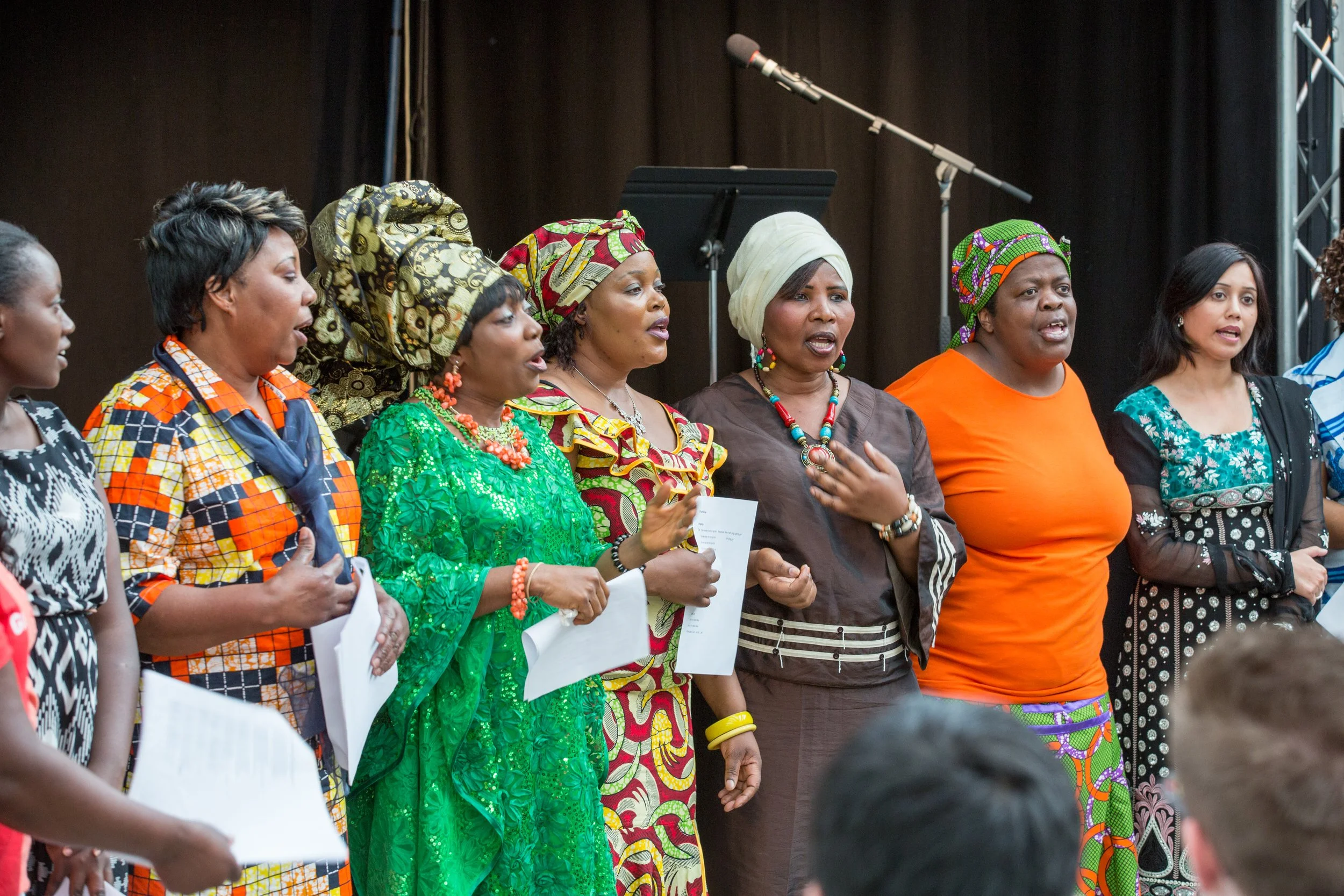
The space was animated during 8-days through the introduction of the cafe space, a temporary main stage for a programme of over 40 events plus a series of bespoke pavilions/spaces for exhibiting work relating to the theme. Whilst the project addressed a challenging - and important - theme, the event attracted 4000 visitors over the course of the week and was in a convivial, welcoming environment.
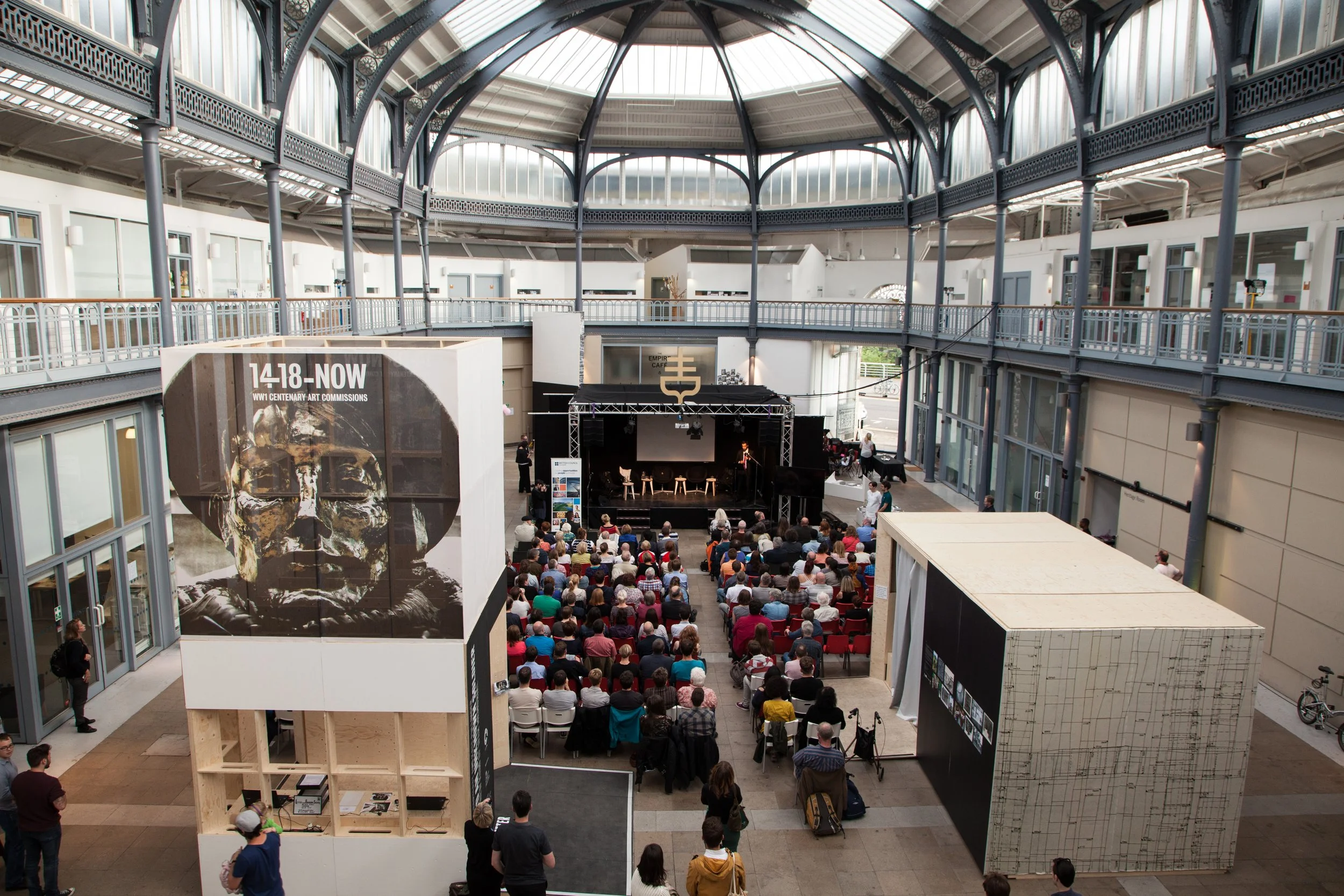
Providing a Platform For Discussion
The event aimed to provide a platform to discuss the origins of the Commonwealth - The British Empire, transatlantic trading and slavery - set in a convivial and welcoming environment.
The project also sought to highlight contemporary issues in relation to slavery and trading. Each event was introduced by a representative from the International Slavery Alliance and Amnesty International exhibited their recent exhibition on the Declaration of Human Rights within the main event space.
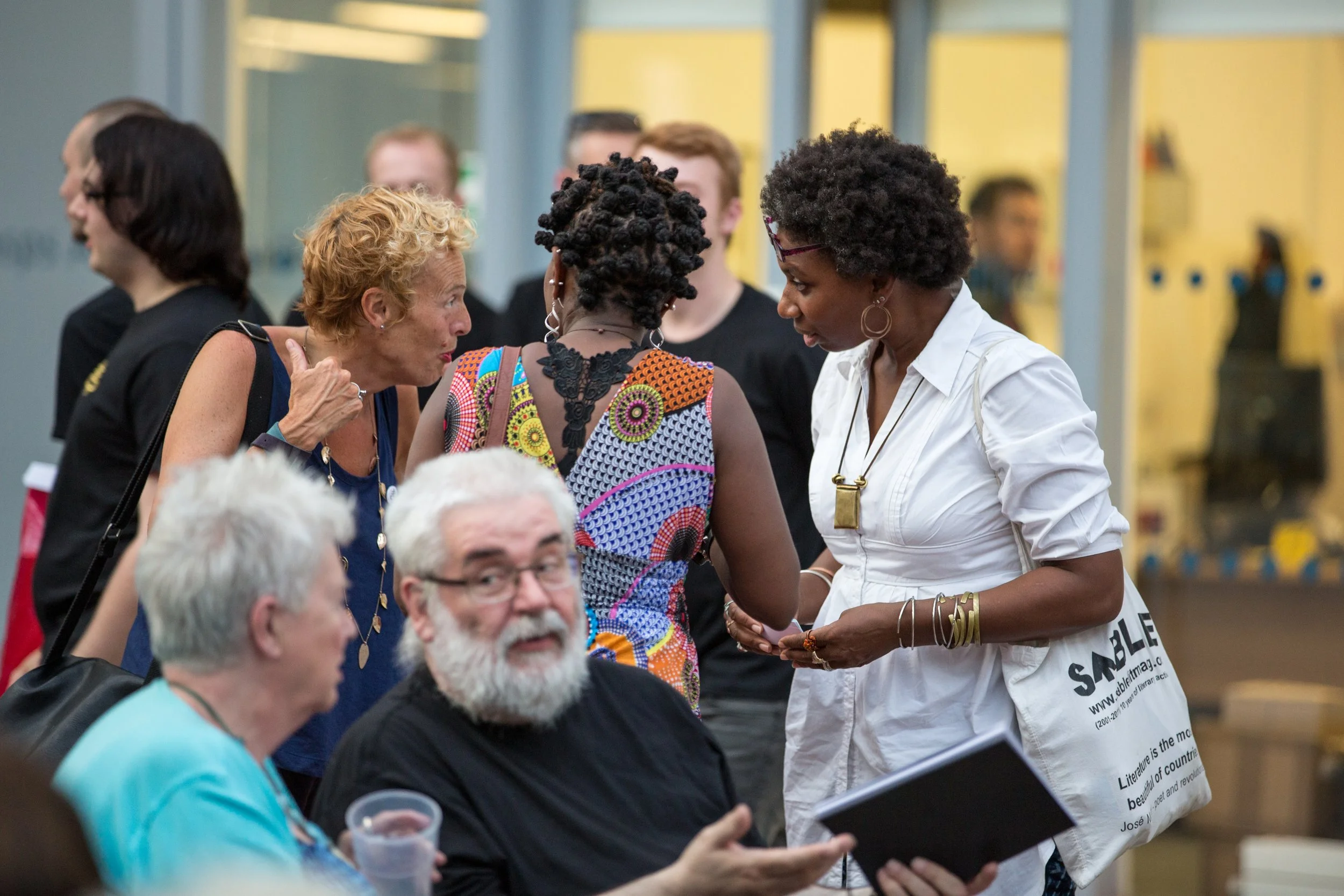
The origins of the Commonwealth (colonisation, Empire, trans-atlantic trading and slave trade) raised uncomfortable issues in the context of an international Games event which promotes international cooperation and sharing. However, the success of The Empire Cafe demonstrated that Scottish residents and visitors were actively interested in exploring the relationship between trading, movement of people and culture. Many people engaged directly with the events and discussed complex issues in a frank and positive manner.
Programme of events
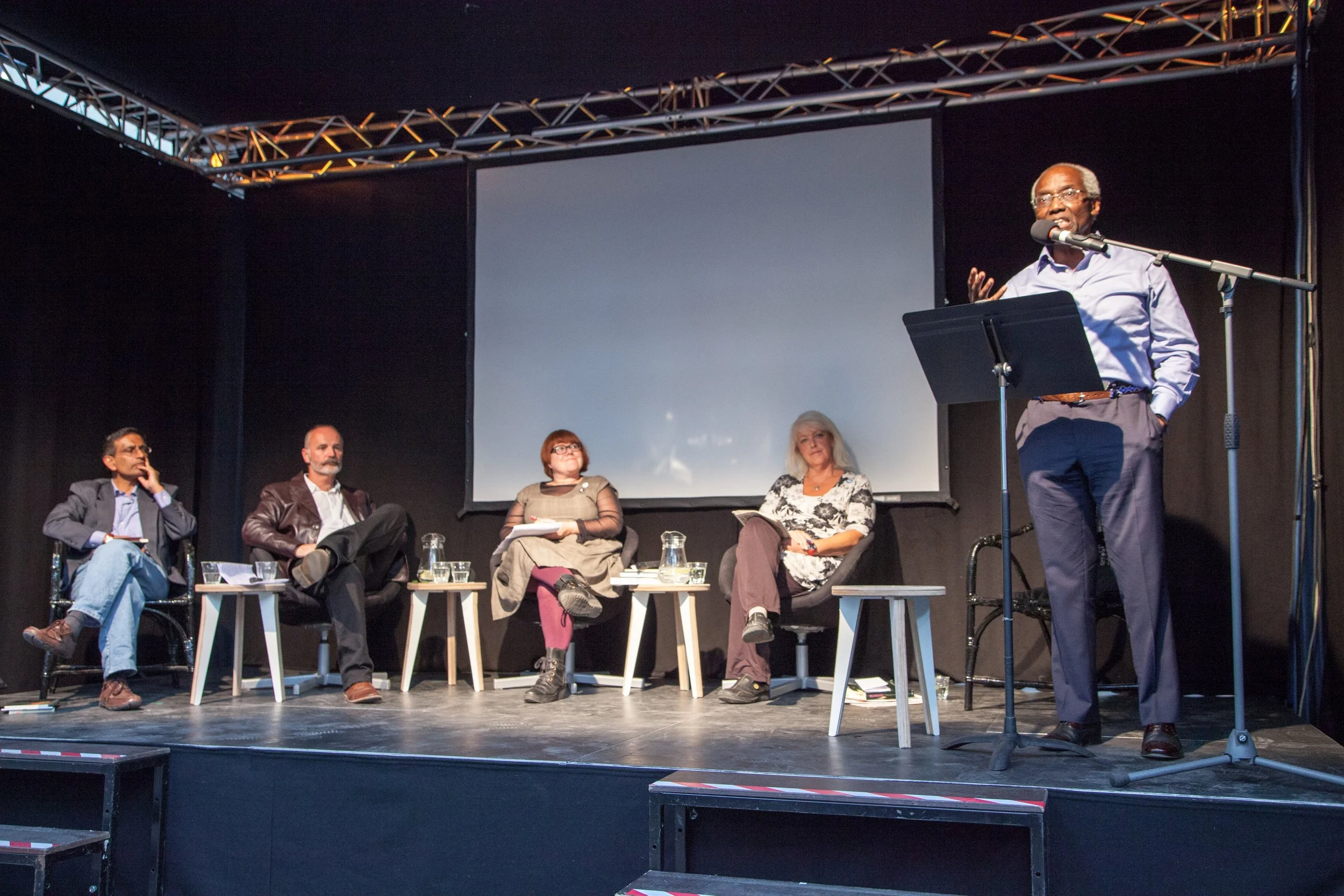
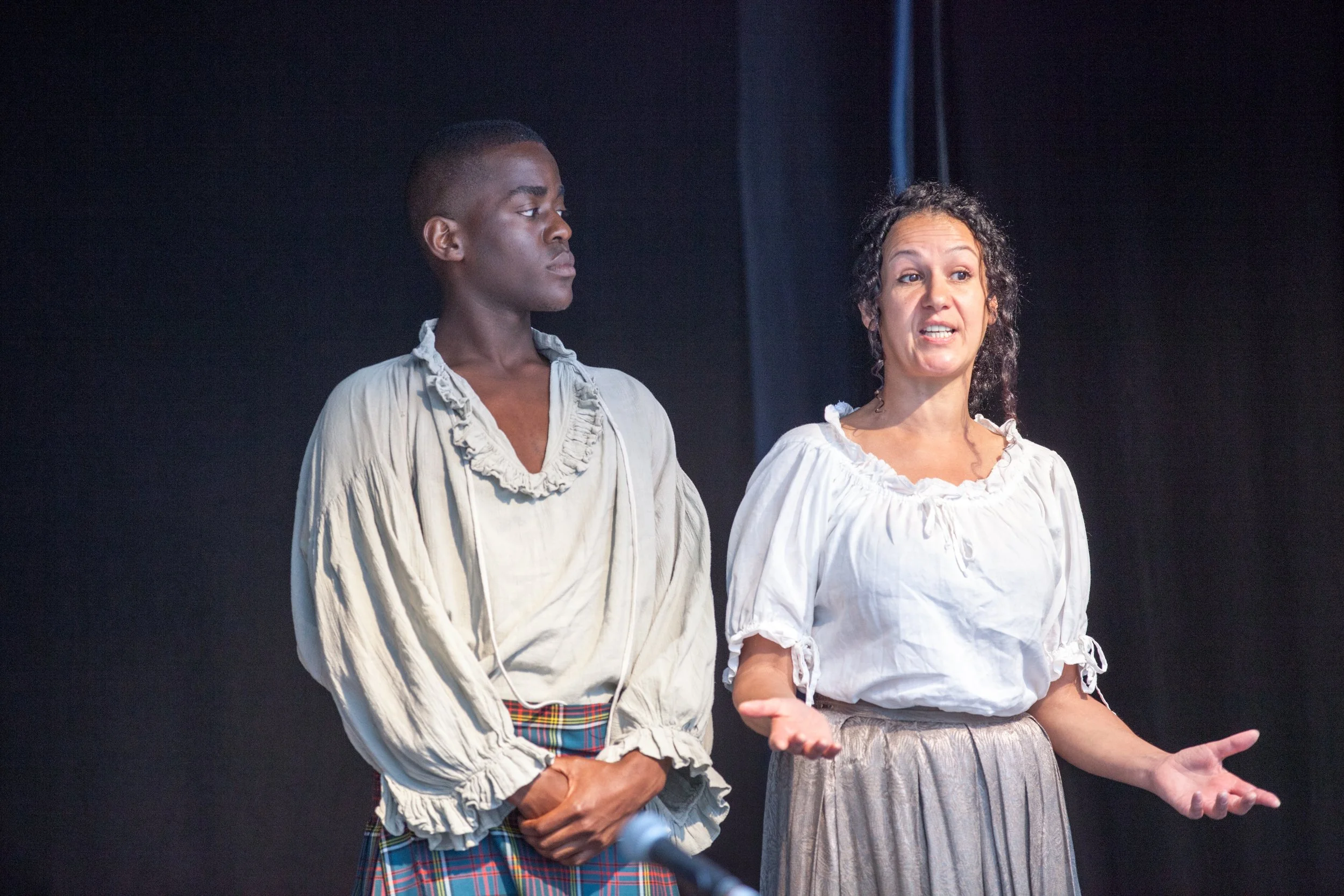
A programme of events took place from 11am until 10pm each day. These ranged from intimate poetry readings in the cafe space to Panel debates on the Main Stage. Events included themes such as ‘Scotland Colonised or Colonisers?’, ‘Sugar in the Blood’ and
‘Land and Empire’. Events also included music, theatre and film. In addition to this a series of workshops and walking tours around the Merchant City took place.
The project was very well received and welcomed by Scottish, African Caribbean and wider communities. The uncomfortable subject matter was considered relevant and essential to an understanding of Scotland's involvement within the Commonwealth, global trading and subsequent diaspora. The project was featured on a number of media platforms including The Times, The Sunday Herald, The Skinny, BBC Radio Scotland, BBC Radio 2 and 4, STV Glasgow and BBC Scotland. (Media pack can be provided as required).
Whilst almost all of the 36 programmed events were deliberately free-at-source, the team was concerned that some people might be discouraged or excluded from taking part in The Empire Cafe due to the costs associated with transport into town, no access to the internet, lack of awareness of the Event/Cultural Programme and/or funds to purchase food in the Cafe.
For more information on the event and the programme please go to The Empire Cafe event website page by clicking on link http://www.empire-cafe.org
Food Programme
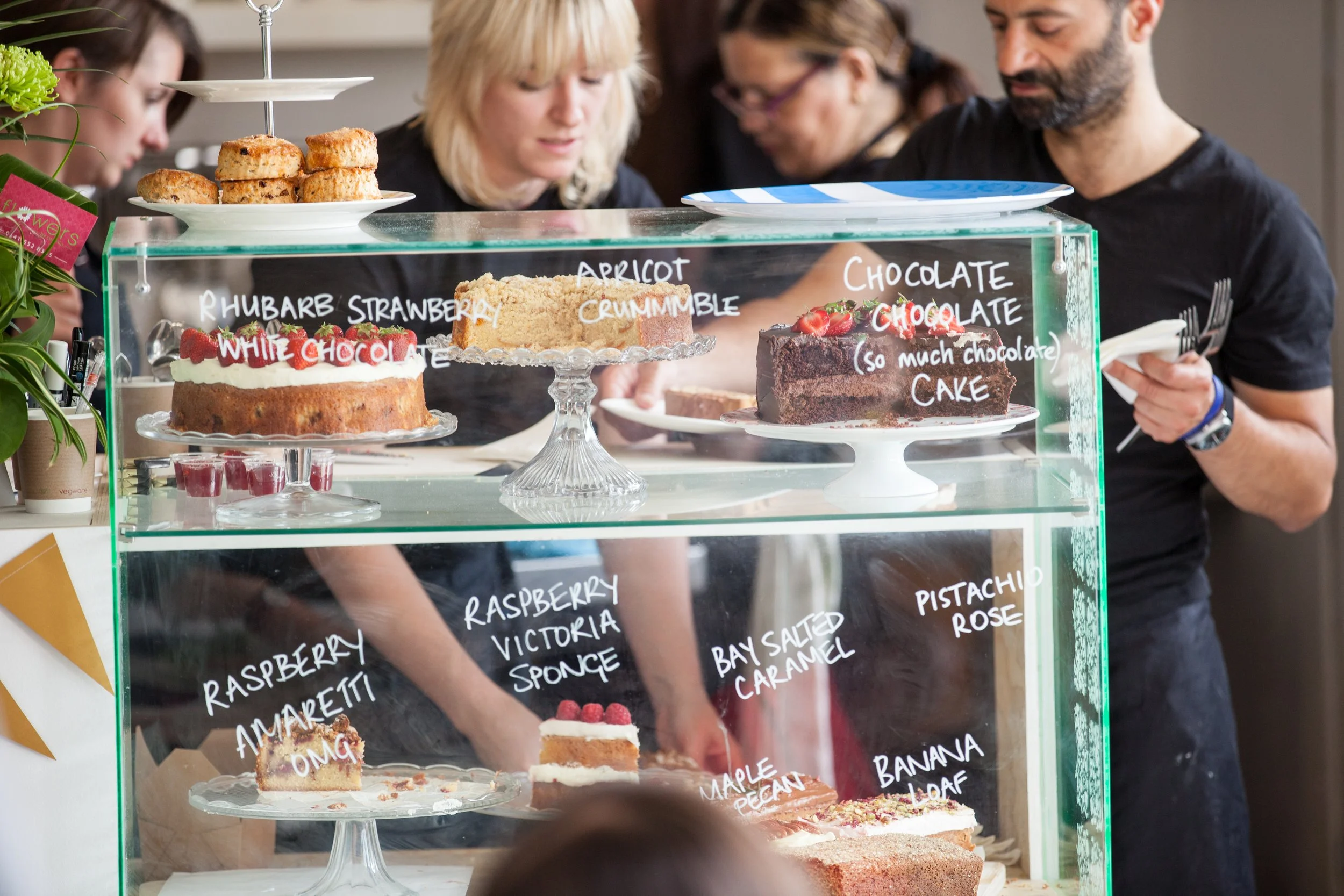
The pop up cafe and bespoke food menu sat at the heart of the project. The changing daily menu was prepared by community cooks from across Glasgow (with 25 people becoming fully trained in Food Hygiene), featured organic Scottish produce and fairly traded ingredients from other parts of the World. A small cookery booklet featuring the food prepared and served in the cafe was available to buy and a series of food and coffee tasting events took place.
The Empire Café served dishes developed through a series of experimental origin outreach sessions using some of the empire’s most familiar products and ingredients as inspiration. Café operator McCune Smith, Bakery 47 and Dear Green Coffee all joined this exploration.
Cooking Groups taking part in the Food Programme/Workshops were:
Grow Green – community growing and environmental project (Glasgow East end)
Soul Food Sisters – migrant women’s social enterprise (Glasgow South side)
The Restart project – NHS training project for people with enduring mental health
problems (based in Bridgeton, Glasgow but takes referrals City wide)
Taste Of Africa – African women’s social enterprise (Glasgow- City wide)
Central & West integration Network – support network and training for women from
minority ethnic backgrounds (Glasgow West & City)
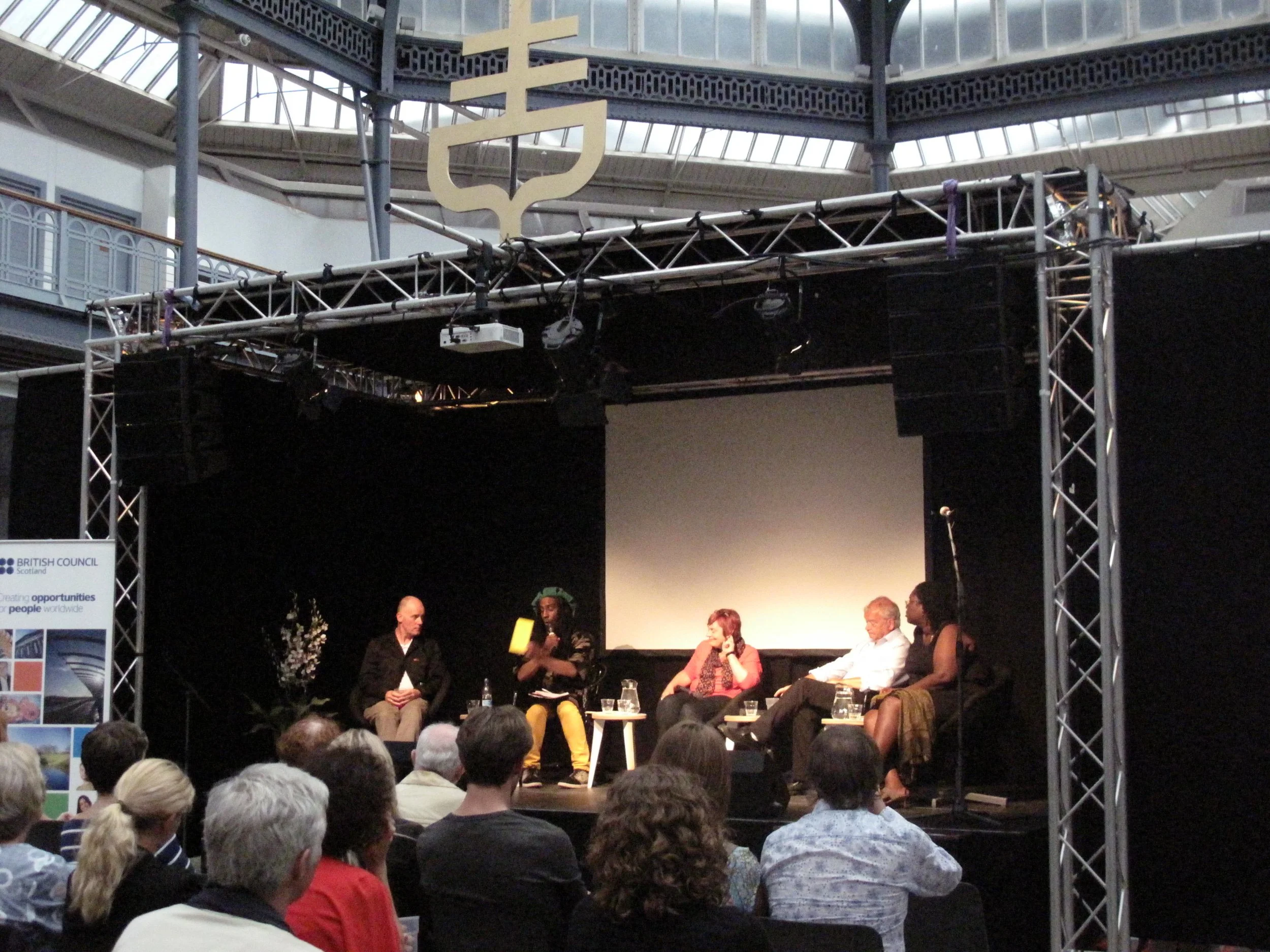
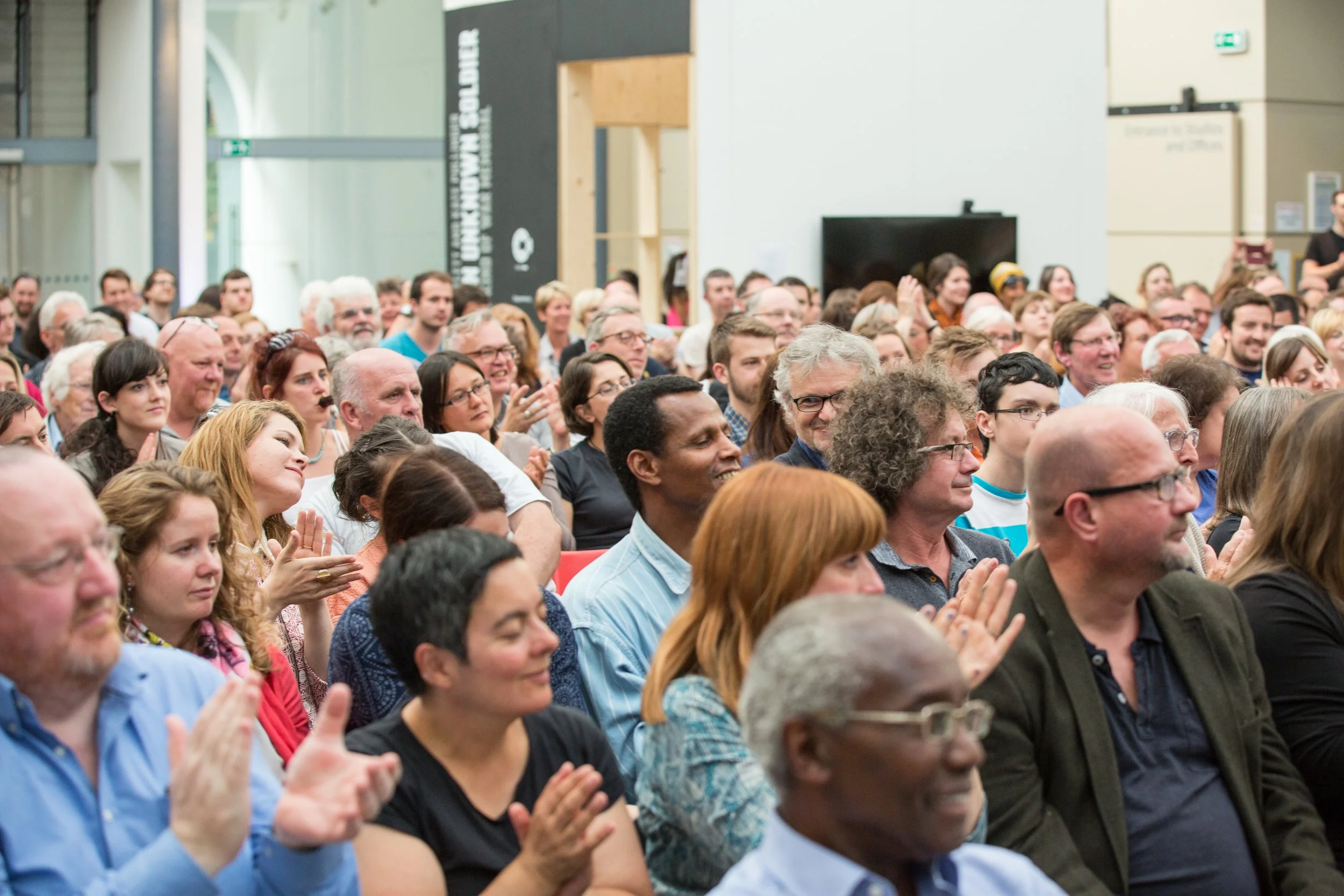
‘Torn from the Shore, Perspectives on Scotland, the Caribbean and the North Atlantic slave trade’
Saturday 26th July 2014, chaired by historian and comedian Susan Morrison with the following people:
Prof. Sir Tom Devine, historian
Graham Fagen, artist
Millicent Graham, Poet
Graham Campbell, Writer & Activist
The event was captured in the Scots Whay Hae podcast by Alistair Braidwood. Listen below.
Project Details
Client: Glasgow 2014 Cultural Programme
-
Completed: 2014
-
Collaboration between Collective Architecture’s Jude Barber and Louise Welsh.
-
Funders: Glasgow 2014 Organising Committee, Glasgow Life, Creative Scotland, The National Lottery, The British Council, Edinburgh International Book Festival 14-18,
NOW RCHAMS
Awards
Scottish Event Award Winner 2015 (Best Cultural Event)
-
Scottish Design Award Winner (Exhibition / Point of Sale)
-
Glenfiddich Spirit of Scotland Award Nomination 2015
Team
Project Directors: Author Louise Welsh and Jude Barber of Collective Architecture
-
Food Programme / Engagement: Clementine Sandison
-
Graphic Design / Website: Graphical House
-
Programme Producer: Frances Hendron of Hendron Associates
-
Publicity: Alan Miller / Abnormal PR
-
Café Operator: McCune Smith
-
Bar: Ethical Events
-
Lighting, staging and sound: ____?
-
Digital Fabricators: Maklab and Podbox Laser
-
Outreach: Abigail Daly
Poetry Anthology
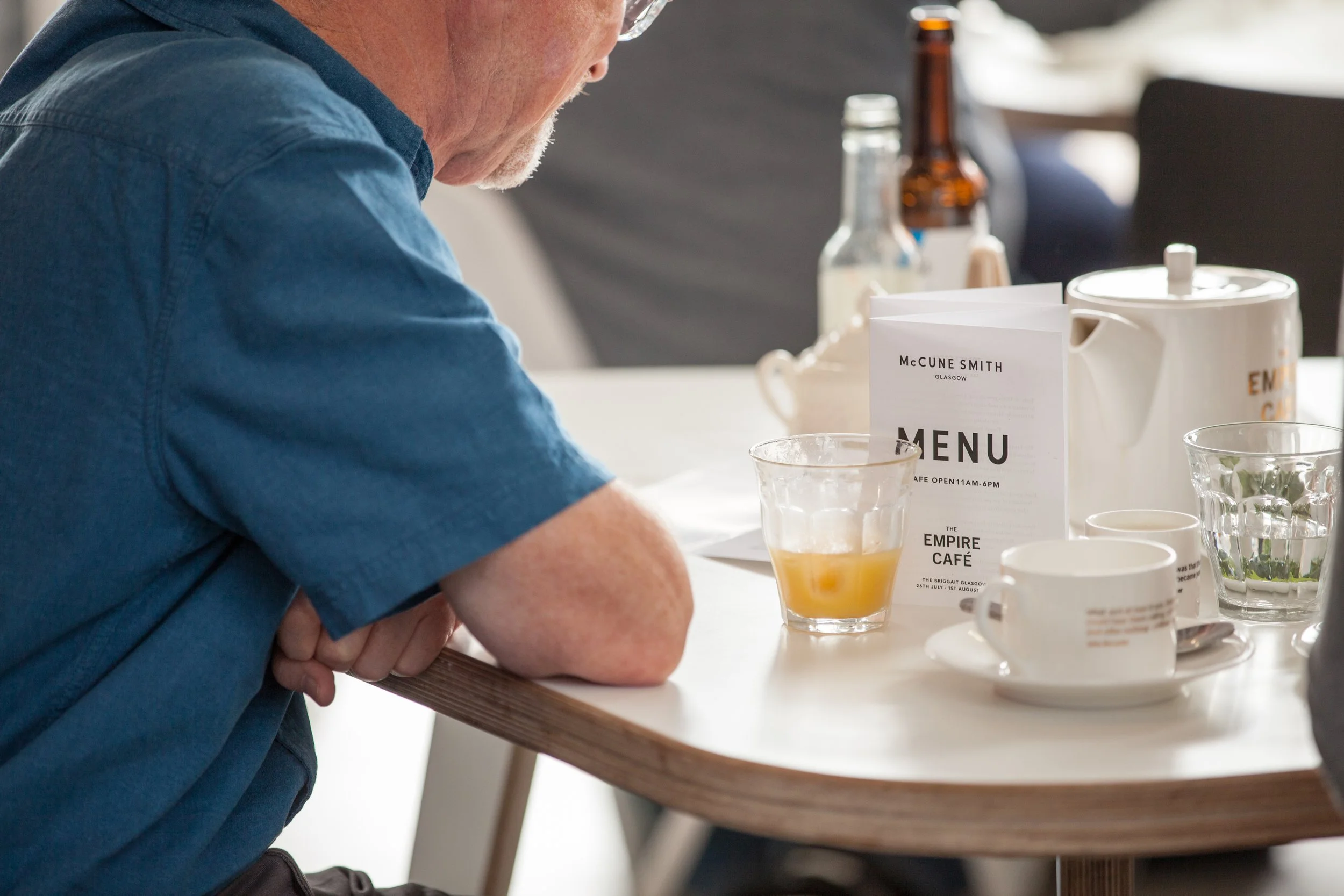
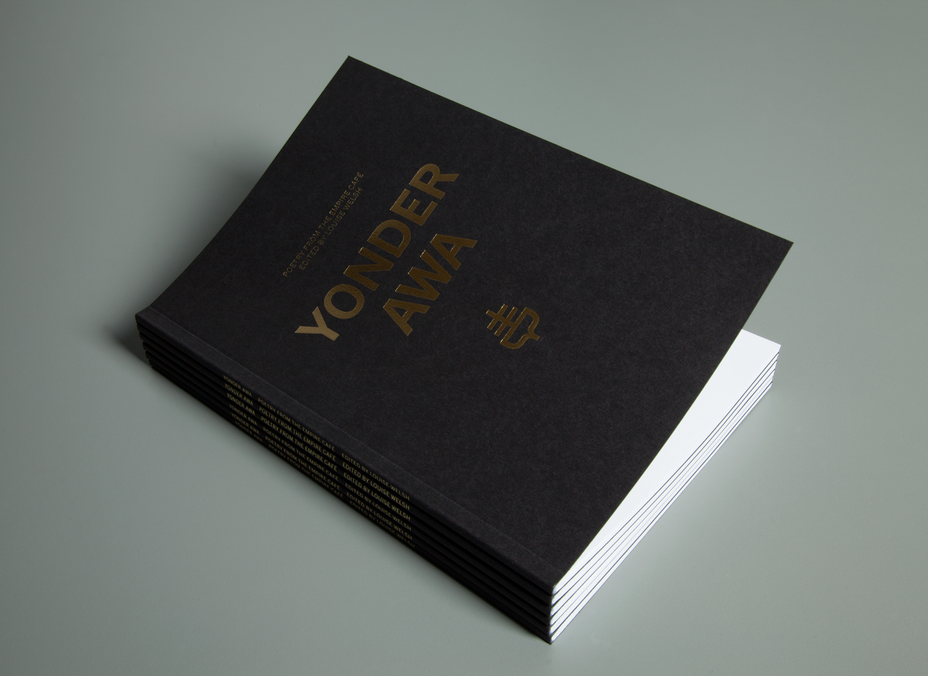
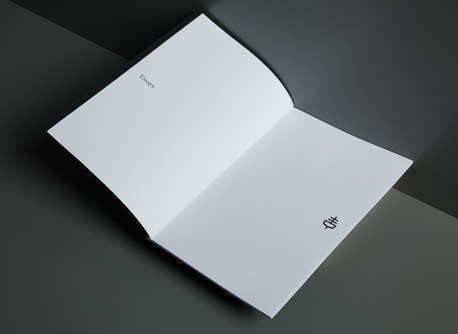
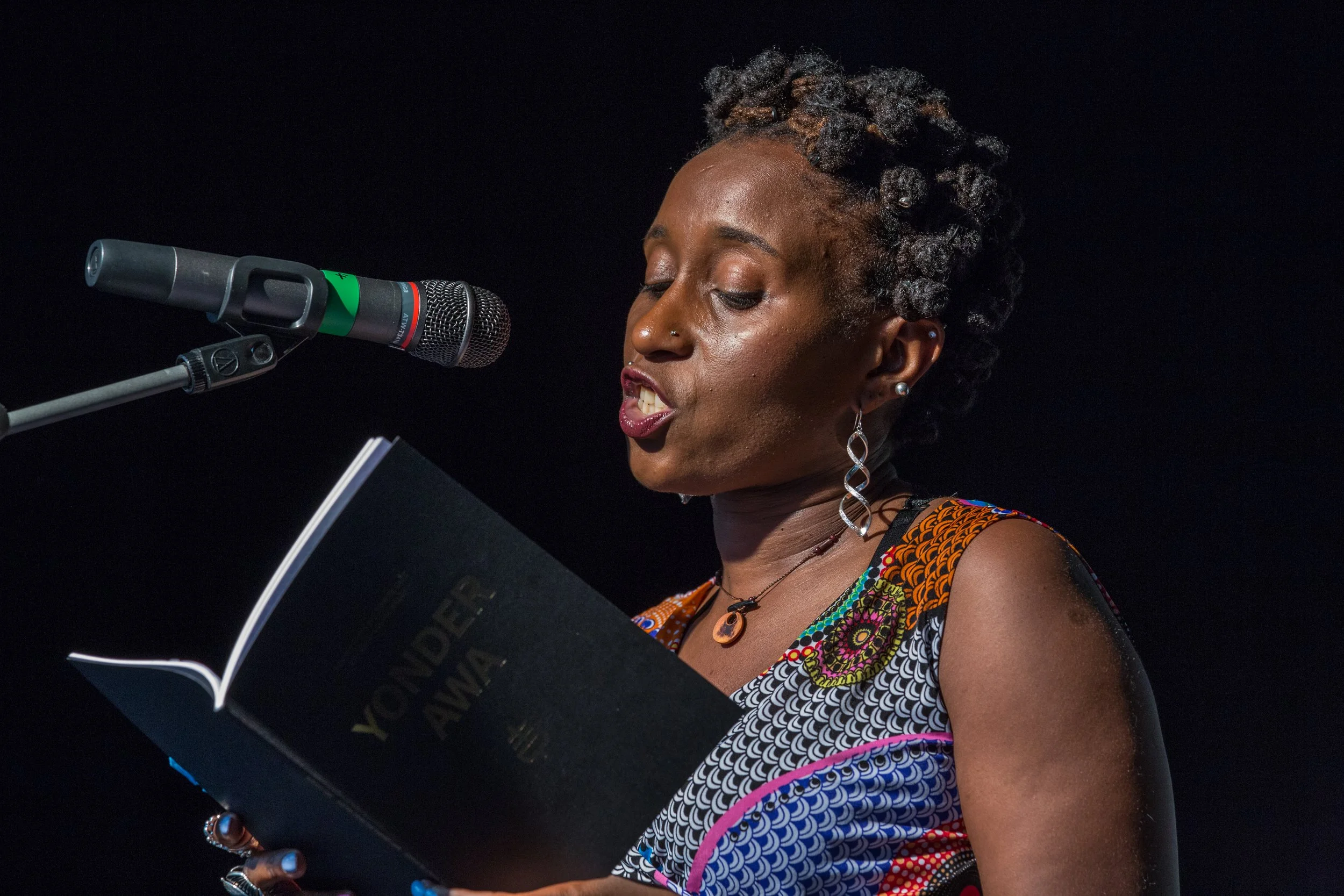
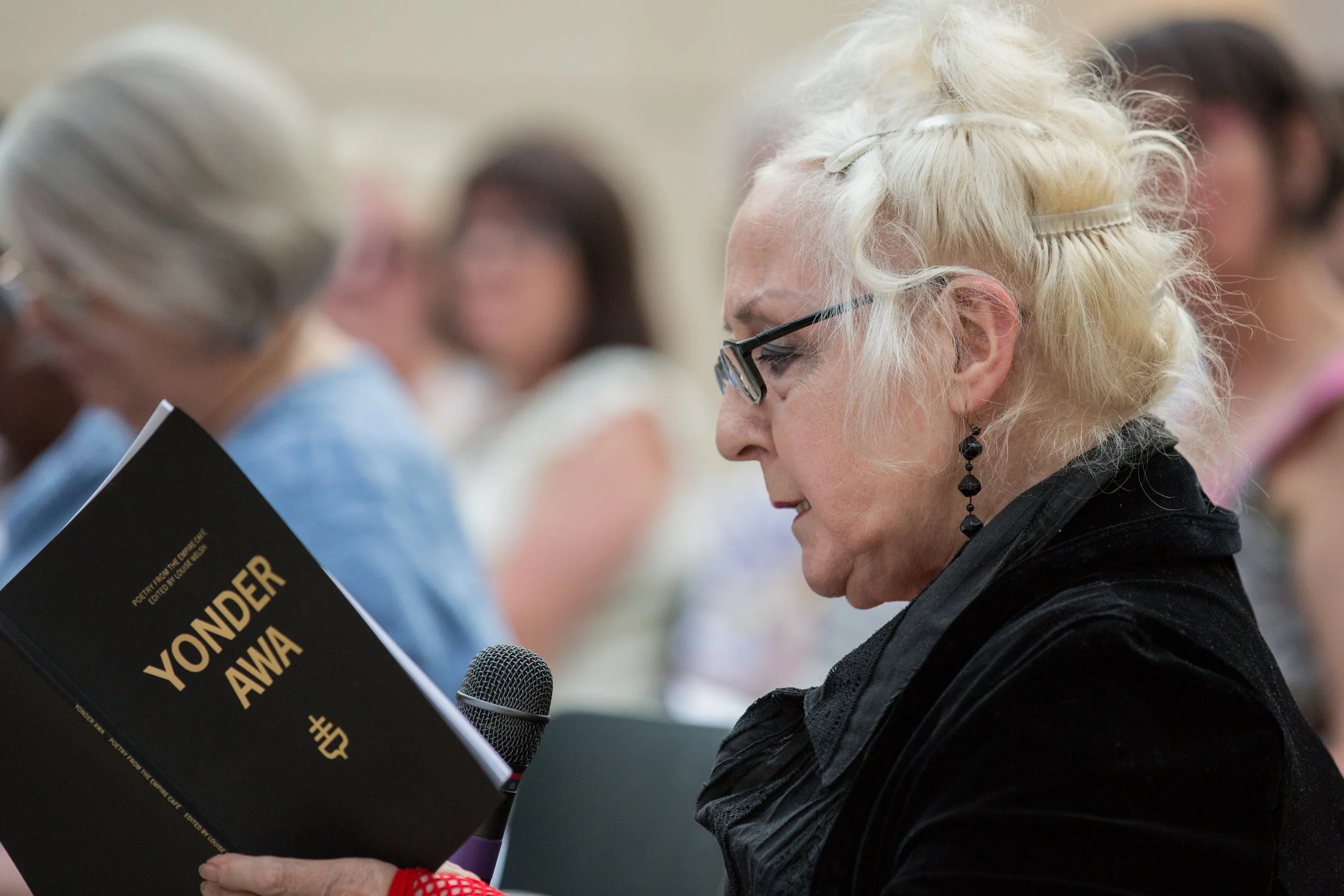
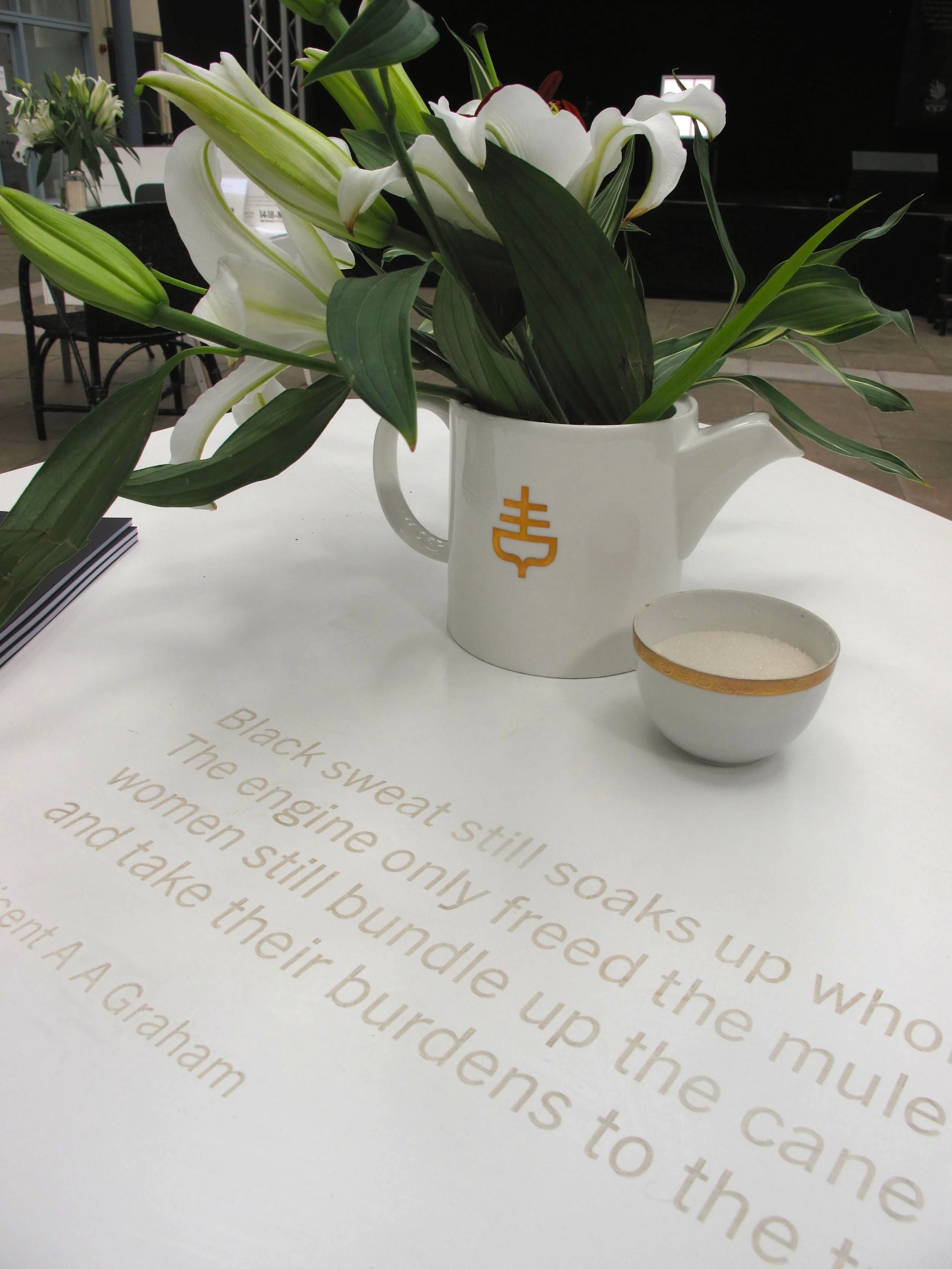
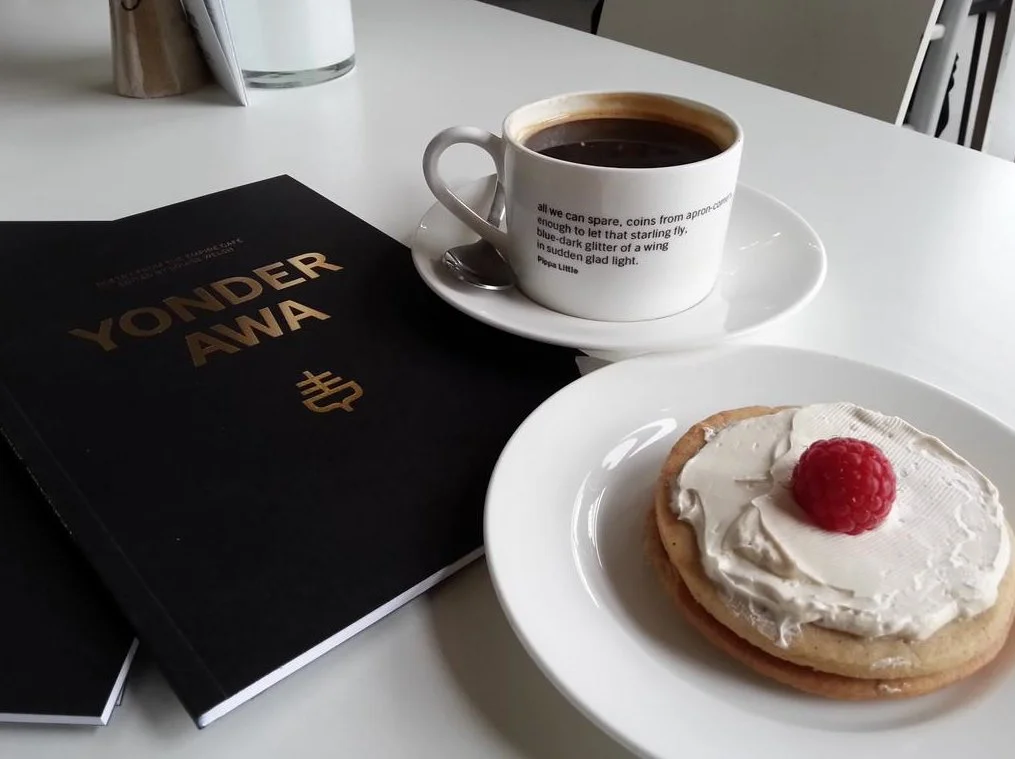
A series of 18 poems were commissioned for the event by both Caribbean and Scottish based poets. These featured in a poetry book entitled ‘Yonder Awa’ edited by the project’s author. Two thousand copies of the book, designed specifically for the project, was distributed for free in the cafe and at events during the 8 days. Extracts from the poetry anthology were laser etched into the cafe tables and embossed onto cups.
The Empire Café event and Anthology provided a lasting collection of commissioned and performed poetry/writing from Scotland and Commonwealth countries.
Poets
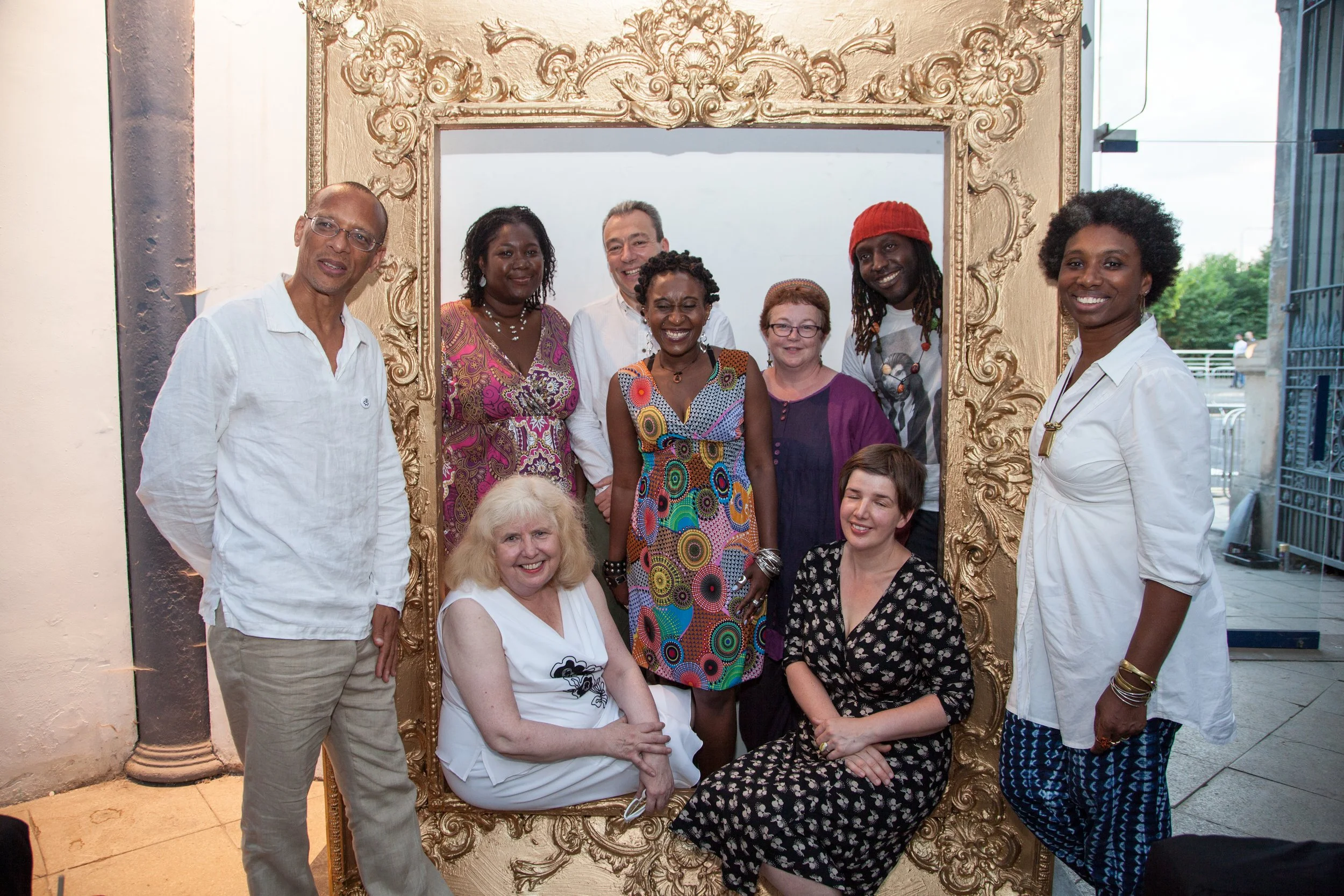
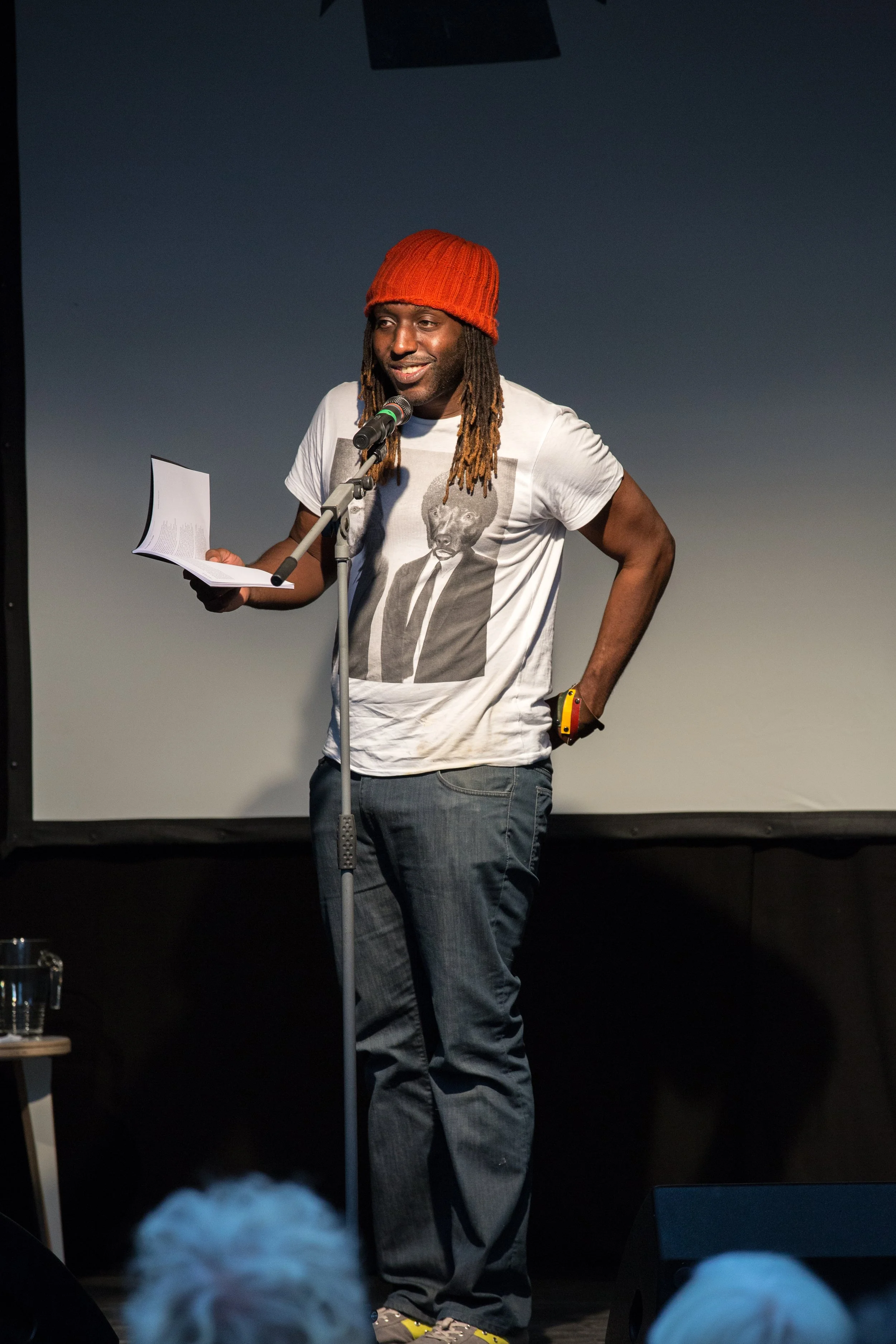
The Empire Café commissioned poems from eminent Scottish and Caribbean poets on Scotland and the North Atlantic slave trade which have been published in a print anthology 'Yonder Awa' which was available free of charge when the cafe was open. Poets contributing to the anthology included Kei Miller, John Burnside, Vicki Fever, Dorothea Smartt, Aonghas MacNeacail and others.
Caption / credit
Caption / credit
Caption / credit
Recordings
Insert text here
Tea Set
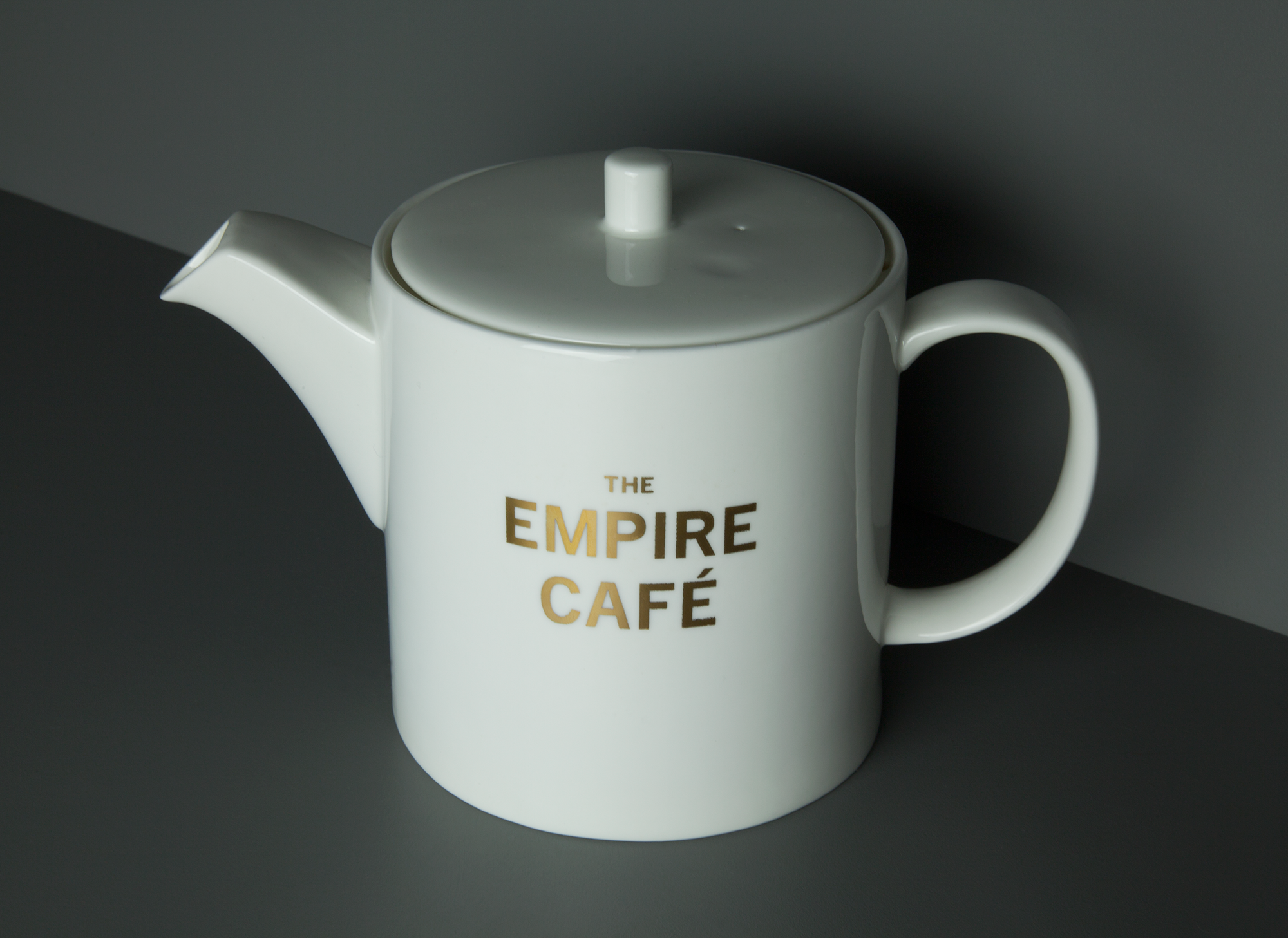
The event hosted a new 3-D film in a bespoke pavilion called ‘Sightlines’ for RCHAMS and a new letter writing ‘pod’ for ‘Letter to an Unknown Soldier’ for 14-18NOW - both designed by the architects specifically for the event. Extracts from the poetry anthology featured on bespoke bone china (sourced as ‘seconds’ from Wedgewood) and laser cut writing on the cafe tables. A new laser cut plywood ceiling in the café space was derived from abstracted images of sugar cane.

‘Collecting the Present: Empire Café Porcelain Tea Set’ film by National Museums Scotland.
Caption / credit
Caption / credit
Caption / credit
Quotes from the event
“We lightened, sweetened and stirred the brew in our china cups, we sipped and slipped into the engraved words, and I do believe we created a channel of our own from which to traffic and trade.”
Millicent Graham, Poet
“We loved seeing how our food was served in a proper café to the public, we also enjoyed watching the films and seeing different art work.”
The Restart Project
“I think of my involvement in the Empire Café project as an open exchange, a civilised rap/ choir/chorus around a shared experience, a way of moving a megalithic notion out of our collective path by a pooling of our creative powers.”
Fred D’Aguiar, Poet
“When I was making The Slave’s Lament, the writer James Robertson was my only other peer addressing this issue, now we have The Empire Café.”
Graham Fagen, Visual Artist
“This project enlightened me about different cultural groups in Glasgow, I liked meeting communities from other parts of the city”
“I learned about the background and history of the Merchant City and also where our food comes from. I never knew that Lipton was started in Glasgow! Shamaila went and bought some Lipton’s Tea the other day, people back in Jamaica wouldn’t believe it.”
Central & West integration Network
“It’s important to take time to understand and reflect on how the legacy of Empire lives on in Scotland in many ways”